Program: Saltmarsh Restoration in the Hampton-Seabrook Estuary
November 4, 2026
570 Ocean Boulevard, Rye NH
Event Organizer: The Seacoast Chapter of NH Audubon
Program Description
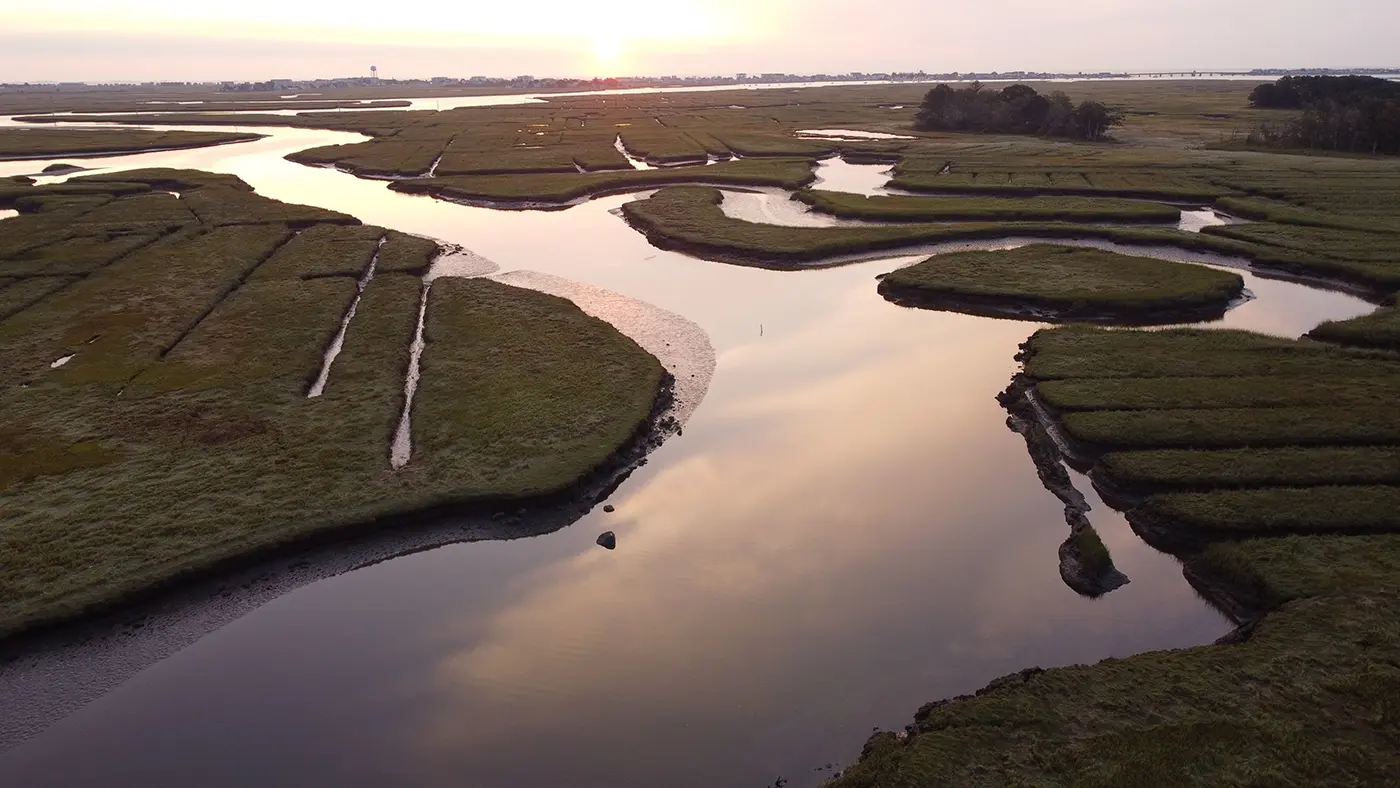
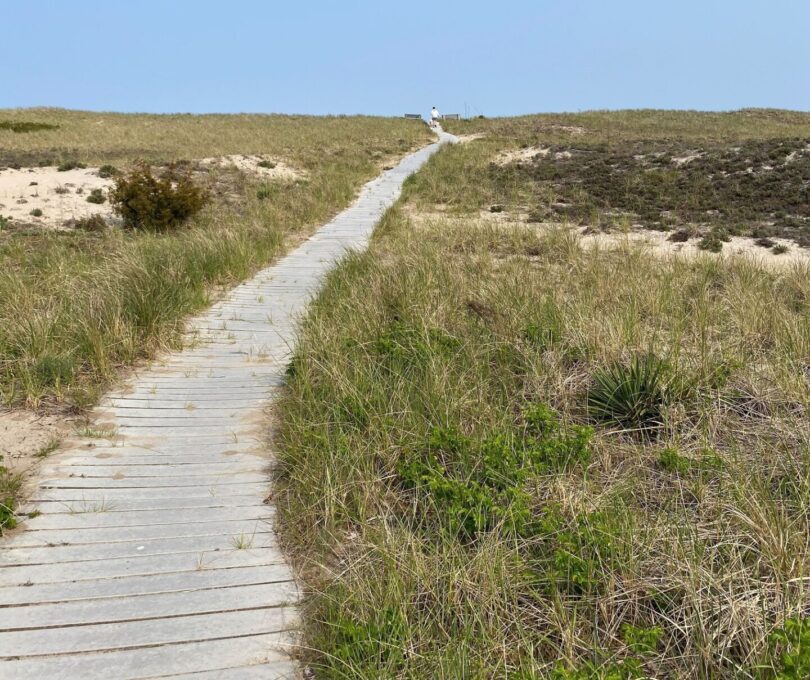
As one of two estuaries of national significance in NH, the Hampton-Seabrook Estuary (HSE) contains the largest continuous area of salt marsh in NH and contains the last remaining sand dunes and most productive clam flats in the state. Efforts to understand, monitor, conserve, and restore the HSE have only recently gained momentum. During this presentation, representatives from the NH Department of Environmental Services (NHDES) Coastal Program, NH Audubon (NHA), and the US Fish and Wildlife Service (USFWS) will describe two separate efforts to restore salt marsh in partnership with the Town of Hampton and NHA. Participants will hear about some of the challenges encountered as well as some of the successes achieved.
Speaker Bios:
- Kevin Lucey is the Coastal Habitat Coordinator for the NHDES Coastal Program. Since joining the Program in 2006, Kevin has worked with partners on many facets of coastal habitat issues including: salt marsh monitoring, invasive plant control, dam removal, and culvert assessment and prioritization. Since 2019, Kevin shifted the programmatic focus to salt marsh, including helping to create the Seabrook Hampton Estuary Collaborative in 2020, the co-creation of a Statewide Salt Marsh Assessment and Monitoring Strategy (SMAMS), and the pursuit of 200 acres of salt marsh restoration with support from a $2,000,000 grant from the National Fish and Wildlife Foundation-America the Beautiful Challenge.
- Grace McCullough, Community Science Project Leader at NHA. Grace will talk about NHA’s efforts to restore salt marsh in Hampton Falls.
- Bonnie Turek, Biologist at the USFWS Gulf of Maine Coastal Program. Bonnie will talk about partnering with USDA NRCS, UNH’s Jackson Estuarine Laboratory and the NHA to restore salt marsh in Hampton Falls and North Hampton.
Contact: Dan Hubbard, 603 978-0218, danielhubbard@peoplepc.com